
MOSA: A Winning Strategy for FLRAA and Army Current Fleet Modernization
An open digital architecture leads to increased interoperability, affordability, upgrades and enhanced capabilities like launched effects and autonomy.

An open digital architecture leads to increased interoperability, affordability, upgrades and enhanced capabilities like launched effects and autonomy.

The UK originally announced a £1.4 billion agreement ($1.8 billion) had been reached for the 14 H-47 ER aircraft in May 2021 with deliveries set to begin in 2026 and run until 2030, but budgetary pressures linked to COVID-19 caused London to order a three year delay.


Blending superior optics, advanced stabilization and AI-powered autonomy in a compact and rugged system, ASELFLIR 600 delivers unmatched intelligence, surveillance and reconnaissance (ISR) capabilities.

The Boeing helicopters would come with a laundry list of additional systems, from electronic counter-measures and missile warning systems to skis and life rafts.

The increased threat posed to European security by Russia has led to UK lawmakers intensifying scrutiny around British Army capabilities, which have been long been in the spotlight because of cancelled acquisitions, technical difficulties, contractor disputes, gross overspending and operational readiness issues.

Innovative integration approaches and open systems architecture can bring revolutionary improvements to the performance of FLRAA and FARA, as well as the current fleet.


Boeing is developing, modernizing, and adapting innovative solutions from Future Vertical Lift and unmanned systems to air and missile defense.


The initial command and control gateway to earn a continuous Authority to Operate is changing multi-domain operations.

Boeing's innovative solutions help the U.S. maintain global dominance by deterring and defeating the threats of today — for the sake of tomorrow.

You get higher speeds with less weight and drag. Meeting speed, range and payload targets for the Army’s two Future Vertical Lift programs can be partially accomplished with transformational integrations of systems that have never been brought together before.

There's no one software application, wave form, or set of capabilities that can win the day against near peers. Open systems, however, are that one thing that will keep Army systems relevant in all stages of conflict.

The wars of tomorrow are won with the innovations of today.


Cybersecurity skills must evolve in near-real time as Zero Day threats continue and AI provides new challenges.

The announcement of the potential sale come as the Israeli government is sending signals to Washington that any renewed deal with Iran should come with more arms for Israel, including items not normally sold to allies.

The Army's rebuilding to face China and Russia. That may leave programs designed over the past decade for COIN operations in the dust.

Good news: That's more money than the Army thought it could get for its top priorities. Bad news: We won't see most of it this year.
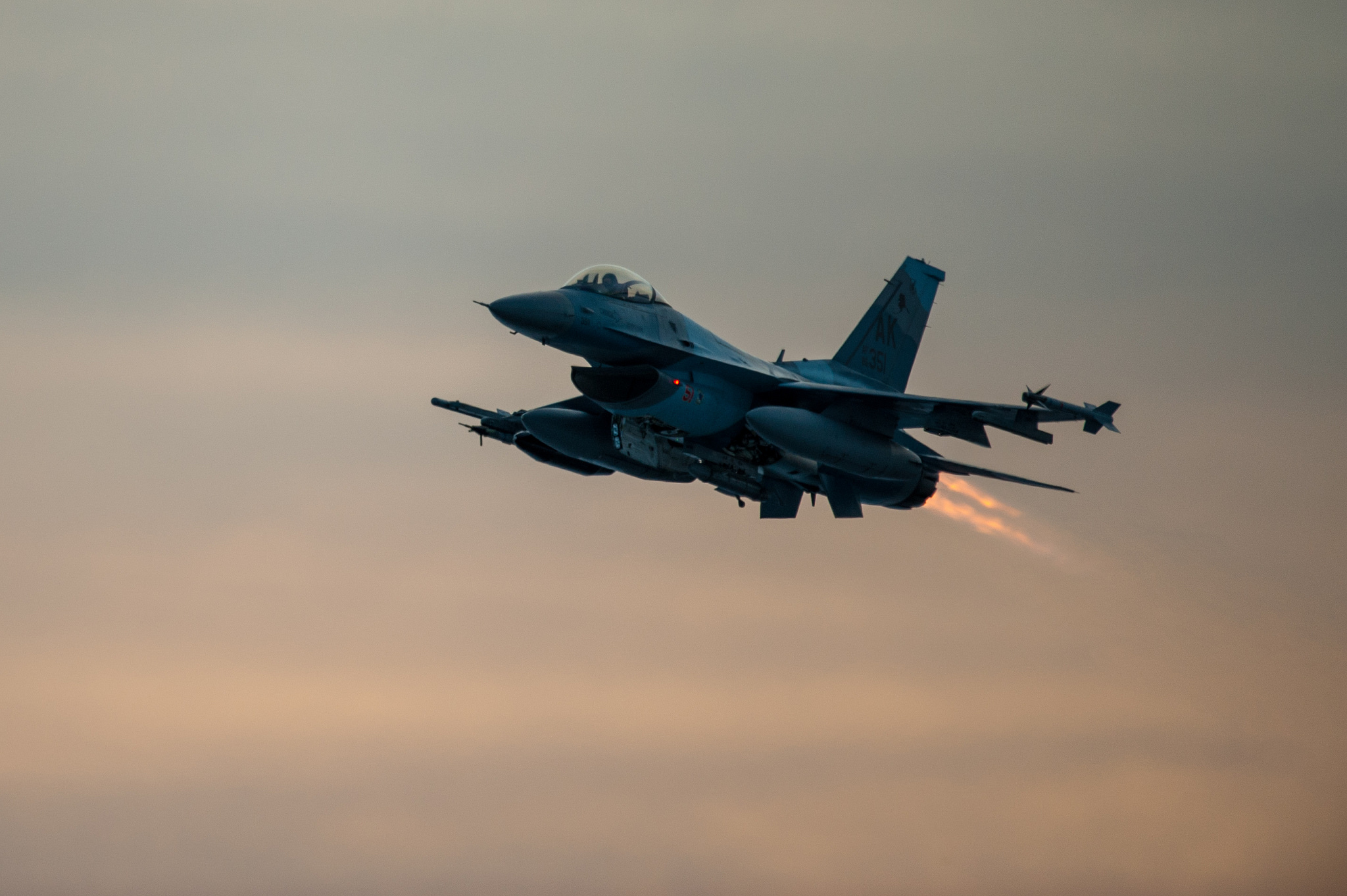
Boeing, Lockheed, Dassault Aviation of France, the European Eurofighter consortium, Sweden’s Saab, and United Aircraft Corporation of Russia are all jockeying for position for an Indian fighter contract worth $15 billion for 110 planes, and an $8 billion navy program of around 60 aircraft.